What Happens to Wood and Debris After Tree Removal in Cornwall?
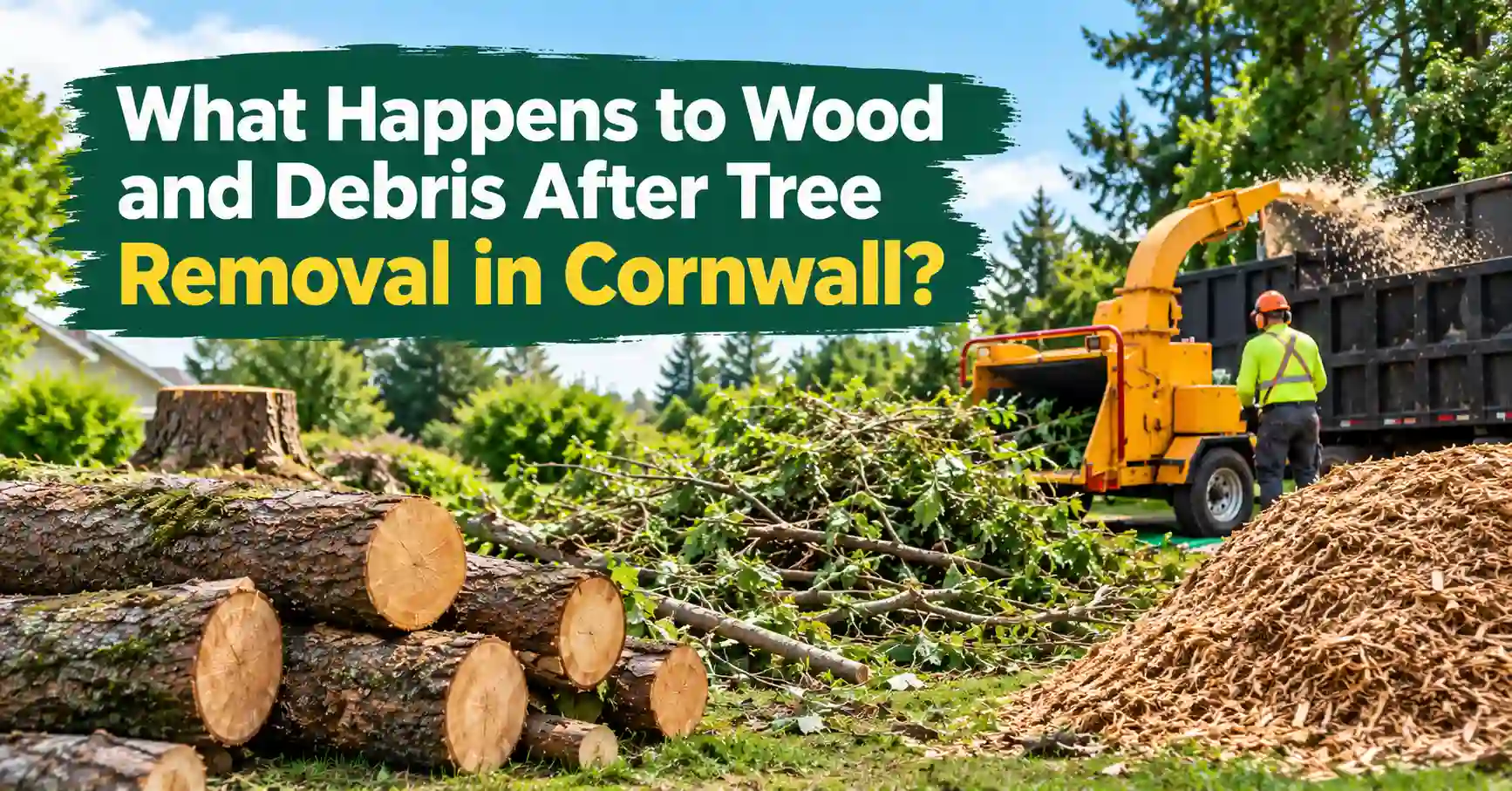
Tree removal is not finished once a tree has been safely cut down. After the removal process, a significant amount of wood, branches, leaves, and other organic debris remains on the property. For homeowners in Cornwall, ON, understanding what happens to these materials is important for maintaining a clean landscape, protecting the property, and making environmentally responsible decisions.
Professional tree removal companies do more than cut down trees. They also manage the resulting debris, sort reusable wood, remove unwanted branches, and help property owners decide how to handle the remaining materials. Depending on the tree's condition, the amount of debris, and the homeowner's preferences, the wood may be recycled, reused, processed into mulch, or transported for proper disposal.
At Alexandria Tree & Landscape, we understand that responsible debris management is an important part of professional tree care. Whether a tree is removed because of storm damage, disease, structural concerns, or a landscaping project, proper cleanup helps leave your property safe, organized, and ready for its next use.
What Types of Debris Are Left After Tree Removal?
When a tree is removed, the amount and type of debris depend on its size, species, condition, and location. A large mature tree can produce several different types of organic material that require separate handling.
The most common materials left after tree removal include:
- Large logs: The main trunk and thicker branches produce heavy sections of wood that may be suitable for firewood, lumber, or other woodworking projects.
- Small branches and twigs: Smaller sections are often chipped into mulch or collected for green waste processing.
- Leaves and foliage: Leaves can be composted or processed into organic material that supports soil health.
- Wood chips and sawdust: These materials are produced during cutting, grinding, and chipping and can often be reused in landscaping.
- Tree stumps and roots: Depending on the project, stumps may be left in place, ground down, or removed along with the surrounding root material.
Sorting these materials makes it easier to determine which items can be reused, recycled, or disposed of appropriately.
How Is Wood Processed After Tree Removal?
After a tree has been safely cut down, the trunk and larger branches are typically sectioned into manageable pieces. The tree care team assesses the wood's condition, size, and potential uses before deciding how to process it.
1. Cutting Logs into Manageable Sections
Large tree trunks are cut into smaller sections to make them easier to lift, transport, store, or process. The size of each section depends on the tree species, intended use, available equipment, and site conditions.
Healthy wood may be suitable for firewood, woodworking, or other purposes. However, wood from diseased, decaying, or pest-infested trees may require special handling to reduce the risk of spreading pests or pathogens.
2. Turning Suitable Wood into Firewood
Some homeowners in Cornwall choose to keep suitable logs for firewood. Hardwood species such as maple and oak can be useful for this purpose when properly seasoned and stored.
Before using removed tree wood as firewood, it is important to consider its condition. Wood that is rotten, contaminated, or affected by certain pests or diseases may not be appropriate to transport or burn. Freshly cut firewood also needs sufficient drying time to reduce moisture content and support efficient combustion.
If you plan to keep firewood after tree removal, discuss log sizes and cutting arrangements with your tree service provider in advance.
3. Recycling Wood for Other Uses
Healthy, usable logs may also be repurposed for woodworking, landscaping features, garden borders, rustic furniture, or other creative projects.
Depending on the species and quality, some larger logs may be suitable for milling into boards. Smaller pieces can be used for natural garden edging or decorative landscape features.
Reusing wood can reduce the amount of organic material sent for disposal while giving valuable timber a second purpose.
What Happens to Branches and Leaves After Tree Removal?
Branches, twigs, and leaves can create a large volume of debris, particularly after removing mature trees or clearing multiple trees from a property. Professional tree care teams often use specialized equipment to process these materials efficiently.
1. Turning Branches into Wood Chips
One of the most common ways to manage smaller branches is through wood chipping. A wood chipper breaks branches and smaller pieces of wood into manageable chips that can be used for landscaping or taken to an appropriate green waste facility.
Wood chips can be useful for:
- Covering garden beds to help retain soil moisture
- Reducing weed growth around trees and plants
- Improving the appearance of landscape areas
- Creating pathways in suitable garden spaces
- Supporting organic matter management as the chips gradually break down
However, wood from trees affected by certain diseases or invasive pests should not automatically be reused as mulch. Proper identification and handling help prevent potential problems.
2. Composting Leaves and Green Waste
Leaves, small twigs, and other suitable organic materials can be composted instead of being sent to a landfill. During composting, microorganisms break down organic matter into a nutrient-rich material that can be used to improve soil.
For homeowners in Cornwall, composting suitable tree debris can be a practical option for maintaining gardens and reducing organic waste. Leaves from healthy trees can often be added to a home composting system, provided they are managed correctly.
Large branches and thick logs generally need to be chipped, cut, or processed separately before they can be composted efficiently.
3. Transporting Debris to Green Waste Facilities
Not every property has enough space to store or reuse tree debris. In these situations, a professional tree removal company may collect the branches, leaves, and other unwanted materials and transport them to an appropriate green waste processing facility.
Depending on local facility requirements, collected materials may be chipped, composted, recycled, or otherwise processed. The correct disposal method depends on the type and condition of the debris, as well as the facility's accepted materials.
What Happens to the Tree Stump After Removal?
The tree stump is another important part of post-removal cleanup. Although the trunk and branches may be removed, the stump can remain embedded in the ground unless stump removal or grinding is included in the service.
There are several ways to manage a remaining stump.
Stump Grinding
Stump grinding uses specialized machinery to break the stump into small wood chips. This reduces the stump to below ground level and allows the area to be covered with soil or prepared for landscaping, depending on the depth and site conditions.
The resulting wood chips may sometimes be reused as mulch, although their suitability depends on the tree's health and the intended application.
Complete Stump Removal
In some situations, homeowners may prefer complete stump removal. This involves extracting the stump and, where necessary, some of the surrounding root material. It can be useful when preparing an area for construction, certain landscaping projects, or new planting.
Complete removal may involve more excavation and disturbance to the surrounding soil than stump grinding. The most suitable option depends on the property's layout, the size of the stump, and the homeowner's future plans.
Leaving the Stump to Decay Naturally
If the stump is not creating a safety concern or interfering with planned landscaping, allowing it to decay naturally may be an option. However, natural decomposition can take several years, depending on the tree species, stump size, moisture, and soil conditions.
Homeowners should also consider potential tripping hazards, unwanted regrowth, and whether the stump could attract insects or fungi before deciding to leave it in place.
Can Removed Tree Wood Be Reused in Landscaping?
Yes. Suitable tree wood can serve several purposes in residential and commercial landscaping projects. Reusing wood can help reduce waste while adding natural materials to outdoor spaces.
Some practical ways to reuse suitable tree materials include:
- Garden borders: Smaller logs can be used to create natural borders around flower beds and garden areas.
- Mulch: Properly processed wood chips can be spread around suitable plants to help conserve soil moisture.
- Natural pathways: Wood chips can provide a natural surface for garden paths when installed and maintained appropriately.
- Decorative features: Selected logs can be incorporated into rustic garden designs, seating, or other landscape features.
- Composting: Suitable leaves and chipped materials can contribute to organic composting.
The condition of the tree is an important consideration. If the removed tree was infected with a disease or infested with harmful insects, some materials may need to be handled or disposed of differently rather than reused around the property.
How Is Tree Debris Disposal Managed in Cornwall, ON?
In Cornwall and the surrounding communities, tree debris management depends on the type of material, the property's requirements, and the available disposal options. A professional tree service can help homeowners determine which materials can be reused, recycled, or transported for appropriate processing.
Before arranging debris removal, consider the following factors:
- Tree condition: Diseased, infested, or decaying wood may require special handling.
- Property size: Smaller properties may have limited space for storing logs, branches, and wood chips.
- Environmental considerations: Reusing suitable organic materials can reduce unnecessary waste.
- Future landscaping plans: The removal of all debris may be necessary if the area will be used for construction, new planting, or other projects.
- Cleanup requirements: Some projects require complete debris removal, while others may benefit from keeping selected logs or wood chips on-site.
Local waste facility requirements and accepted materials can vary. Checking the appropriate disposal guidelines before transporting tree debris helps ensure that the materials are handled correctly.
Why Professional Tree Debris Cleanup Matters
Managing tree debris requires more than simply collecting branches and cutting logs. Large tree sections can be extremely heavy, and sharp branches, unstable logs, and hidden hazards can create safety risks during cleanup.
Professional tree removal services use appropriate equipment and established procedures to manage debris safely and efficiently.
Here are some important benefits of professional cleanup:
Improved Property Safety: Removing loose branches, sharp wood fragments, and obstructive logs helps reduce tripping hazards and makes outdoor spaces safer for residents and visitors.
A Cleaner Landscape: Proper debris collection helps restore the appearance of lawns, gardens, driveways, and other outdoor areas after tree removal.
Efficient Waste Management: Professionals can sort different types of debris and identify materials that may be suitable for reuse, recycling, or appropriate disposal.
Protection of Surrounding Property: Careful handling of heavy logs and branches helps minimize unnecessary damage to lawns, fences, garden beds, and nearby structures.
Preparation for Future Projects: Removing unwanted debris makes it easier to prepare the property for new landscaping, construction, planting, or other outdoor improvements.
What Factors Affect Tree Debris Removal Costs?
The cost of managing wood and debris after tree removal in Cornwall can vary significantly from one project to another. Some properties require only basic branch collection, while others need extensive cleanup involving heavy equipment and transportation.
Several factors can influence the overall cost:
Factor:
Tree size
Amount of debris
Accessibility
Stump grinding
Disposal requirements
Wood reuse
How It Affects the Work:
Larger trees generally produce more wood and debris to process.
A greater volume of branches and logs may require additional labour and equipment.
Restricted access can make debris collection and transportation more complicated.
Additional machinery and labour may be required.
Transportation and processing fees may apply.
Keeping suitable logs or wood chips on-site may change the amount of material requiring removal.
When requesting a tree removal estimate, homeowners should clarify whether branch chipping, log removal, stump grinding, and final property cleanup are included. Understanding the scope of work in advance can help prevent unexpected costs.
How to Prepare Your Property for Tree Debris Cleanup
A little preparation before a tree removal project can help the cleanup process run smoothly. Homeowners can take several practical steps to make the work area safer and more accessible.
- Clear access areas: Move vehicles, outdoor furniture, garden equipment, and other movable items away from the work zone.
- Identify materials you want to keep: Let the tree service team know if you want to retain suitable logs for firewood, woodworking, or landscaping.
- Discuss stump removal: Confirm whether the stump will be ground down, completely removed, or left in place.
- Protect valuable landscape features: Identify nearby garden beds, fences, irrigation systems, and other features that require extra care.
- Confirm cleanup expectations: Discuss whether all wood, branches, leaves, and wood chips will be removed or whether some materials will remain on the property.
Communicating these preferences before work begins helps the tree care team plan the removal and cleanup according to your property's needs.
Choose Professional Tree Removal in Cornwall, ON
Whether you are removing a hazardous tree, clearing space for a landscaping project, or dealing with storm-damaged branches, proper debris management is an essential part of the process. From cutting large logs into manageable sections to chipping branches and arranging appropriate disposal, every stage contributes to a safer and cleaner property.
Alexandria Tree & Landscape provides professional tree services for residential and commercial properties in Cornwall, ON, and surrounding communities. With ISA and IHSA Certified Arborists, the team focuses on safe tree care, careful property management, and efficient cleanup.
Whether you need tree removal, tree trimming, stump grinding, or help managing unwanted tree debris, working with an experienced tree service provider can make the process more manageable.
Contact Alexandria Tree & Landscape at (613) 938-0128 to discuss your tree removal and cleanup requirements.
Frequently Asked Questions
1. What happens to the wood after a tree is removed?
After tree removal, the trunk and larger branches are usually cut into manageable sections. Depending on their condition, the wood may be reused as firewood, processed into lumber, chipped for landscaping, or transported to an appropriate processing facility.
2. Can I keep the wood after tree removal in Cornwall?
Yes, homeowners can often keep suitable wood after tree removal. You can discuss your preferences with the tree service provider before the work begins to arrange appropriate log sizes and storage.
3. Are tree branches recycled after removal?
Suitable branches can be processed into wood chips for landscaping, composting, or green waste processing. However, branches from trees affected by certain diseases or pests may require special handling.
4. What happens to wood chips after stump grinding?
Stump grinding produces a mixture of small wood fragments and sometimes soil. Depending on the tree's condition and the intended use, the wood chips may be reused as mulch, composted where appropriate, or removed from the property.
5. Does tree removal include debris cleanup?
Debris cleanup depends on the service agreement. Some tree removal services include branch chipping, log removal, and general cleanup, while others charge separately for these tasks. Always confirm what is included in your estimate.
6. How long does it take to remove tree debris?
The time required depends on the tree's size, the volume of debris, site accessibility, and the equipment needed. Smaller projects may be completed relatively quickly, while large trees or complex sites may require additional time.
7. Can diseased tree wood be used as firewood or mulch?
Not always. Some diseases and invasive pests can spread through transported or improperly handled wood. The material should be assessed before reuse, and applicable local handling and disposal guidance should be followed.
8. Is stump grinding included in tree removal?
Stump grinding is often offered as an additional service rather than being automatically included in tree removal. Homeowners should confirm whether it is part of their chosen service package.
Final Thoughts
The process of tree removal does not end when the tree comes down. Managing the remaining wood, branches, leaves, and stump is an important step in restoring your property and making responsible use of organic materials. Suitable wood can be reused for firewood or landscaping, branches can be chipped, and other debris can be composted or transported for appropriate processing.
For homeowners in Cornwall, ON, planning debris management in advance can help reduce unnecessary waste, improve property safety, and prepare outdoor spaces for future use. With professional assistance from Alexandria Tree & Landscape, you can manage your tree removal project with a clear plan for both the removal and the cleanup.
